
When Pain Doesn't Always Mean Damage
There are constant reinforcements in the world telling us that when we are in pain, there must be something damaged. Something wrong with our body.
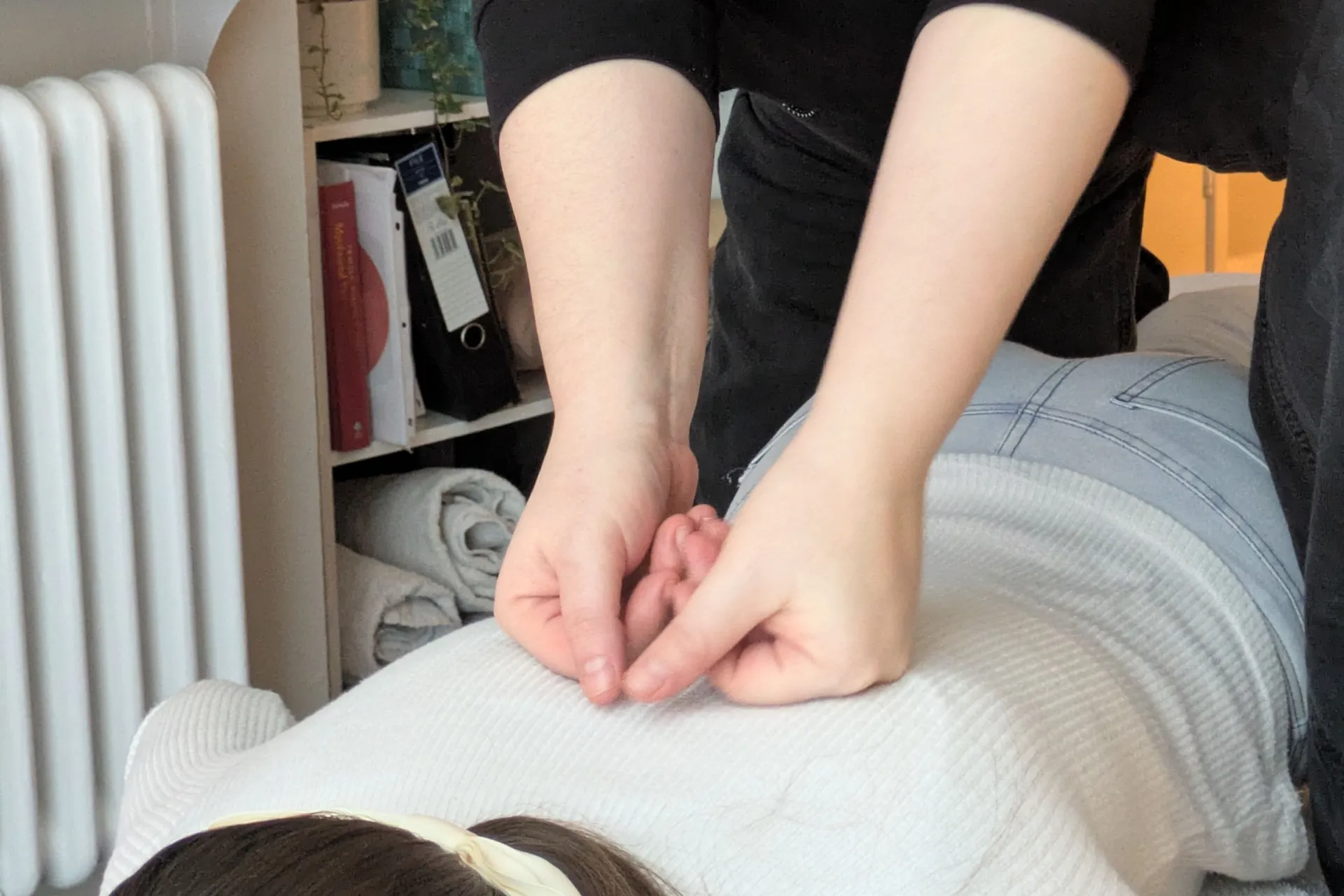
- Explore what feels safe
- Reconnect with your body
- Make time for self-care
Look at the pictures used to advertise medications. The ones where there is often a shocking red highlight around an area of the body. Red is a significant colour. It can signal damage, danger and threat to our brains, and these images can reinforce that messaging through imagery.
However… pain is not always related to damage.
Yes, sometimes it is. But not always.
When pain becomes chronic, usually lasting longer than three months, the initial threat or injury has often passed. The tissues may have healed, but the pain can continue.
This doesn't mean that the pain isn't real.
It means that the nervous system may have become more sensitive to perceived threat, continuing to produce an alarm response in an attempt to keep you safe. And just like any pathway in the nervous system, these responses can become well practised.
Neuroscience research has shown that as pain persists, the brain's processing of that pain can change. What may initially have been closely associated with an acute physical threat can, over time, become increasingly influenced by learning, memory, emotion, context and meaning.
So, what does this mean in terms of massage?
Well, sometimes in massage, we are not actually treating the muscle tissue alone.
We are looking at how the body and mind are interacting with each other.
And this is an important distinction.
If we approach persistent pain as though there must always be something physically damaged that needs to be 'fixed', we can sometimes unintentionally reinforce the idea that the body is broken or unsafe.
Instead, we can begin to look at the bigger picture.
Factors such as stress, your relationship with how the pain began, previous experiences of pain, sleep, movement, beliefs about your body and your current emotional state can all influence how your nervous system responds to sensations.
This doesn't mean that your pain is 'all in your head'.
It means that pain is produced by a very complex nervous system that is constantly taking in information from both inside and outside of the body and deciding how much protection might be needed.
This is where massage can become much more than simply working on tight muscles.
Through touch, movement, breathing, education and a sense of safety, we can work with the nervous system rather than simply trying to force the body to change.
Sometimes the aim isn't to find the one muscle that is causing all of your pain.
Sometimes it's about helping your body to feel safe enough to move, relax and experience sensation differently.
And this is why I take a whole-person approach to massage.
Your pain is real. Your experience is real. But pain does not necessarily mean that your body is damaged or broken.
Sometimes the most helpful question isn't:
"What's wrong with my body?"
but:
"What is my body trying to protect me from, and what might help it feel safe again?"
Understanding this can change the way we approach pain. Rather than fighting against your body, we can begin to work with it — using massage, movement, education and self-care to gradually build confidence, reduce threat and help you reconnect with your body.
Because pain relief isn't always about finding something to fix.
Sometimes, it's about helping your nervous system learn that it doesn't need to sound the alarm quite so loudly anymore.